The AI productivity boom
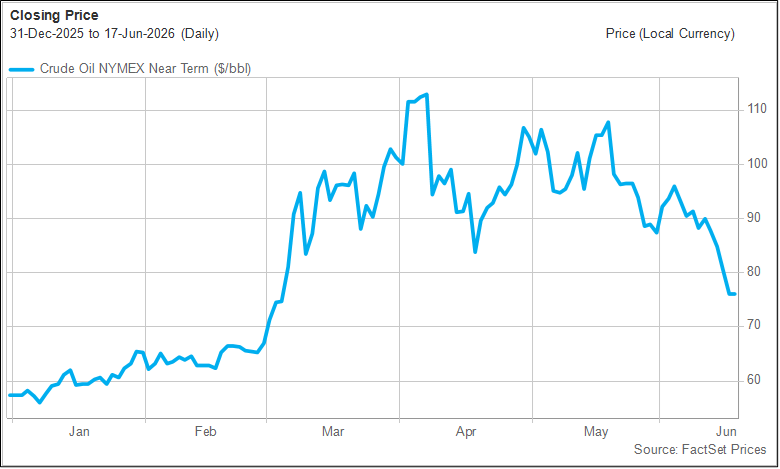
Heavy investment in energy infrastructure could become a structural factor that helps keep down energy prices specifically in the year ahead. The ongoing wave of capital investment in AI, on the other hand, has the potential to shape the inflation outlook in an enduring way across a much broader set of industries.
Warsh repeatedly highlighted the importance of productivity growth and announced the creation of a new task force—Productivity and Jobs in an Era of Transformation—dedicated to studying productivity and artificial intelligence.
Productivity is one of the most powerful forces influencing living standards, economic growth, and inflation. When workers become more productive, businesses can produce more goods and services without a proportional increase in labor, capital, or raw materials.
Costs fall, output rises, and wages can increase without generating the same inflationary pressures that tend to accompany tight labor markets.
Historically, many of the greatest periods of economic prosperity have been driven by productivity-enhancing innovations.
The railroad transformed transportation. Electrification revolutionized manufacturing. The internet reshaped communication and commerce.
AI has the potential not only to join that list but surpass prior technological waves in its impact.
Businesses are already using AI to accelerate software development, automate administrative tasks, improve customer service, optimize logistics networks, and increase manufacturing efficiency.
The benefits may appear incremental at first, but productivity gains compound.
As these technologies spread throughout the economy, companies can deliver more output with fewer inputs. Resources are allocated more efficiently. Bottlenecks are reduced. Costs decline.
In many ways, productivity is the ultimate antidote to inflation.
While inflation occurs when too much money chases too few goods and services, productivity expands the economy's ability to produce those goods and services in the first place.
The formation of a task force sounds academic. But it allows Warsh to influence the culture of the Fed, reshape the conversation, and get Fed officials to focus on new variables and sources of information.